
Can AI replace a film production?
Every successful production begins long before the first shot is captured.
The audience only sees the final film, but behind every frame lies weeks of research, conversations, planning and countless creative decisions. Where should the story begin? What should the audience feel? Which locations best represent the narrative? How should the talent dress? What time of day gives us the right atmosphere? Every decision influences the next, and collectively they determine the quality of the final work.
For decades, that process has remained largely unchanged.
Today, AI is changing it.
Not by replacing filmmakers, but by giving creative teams new ways to explore ideas, visualise concepts and align stakeholders before production begins.
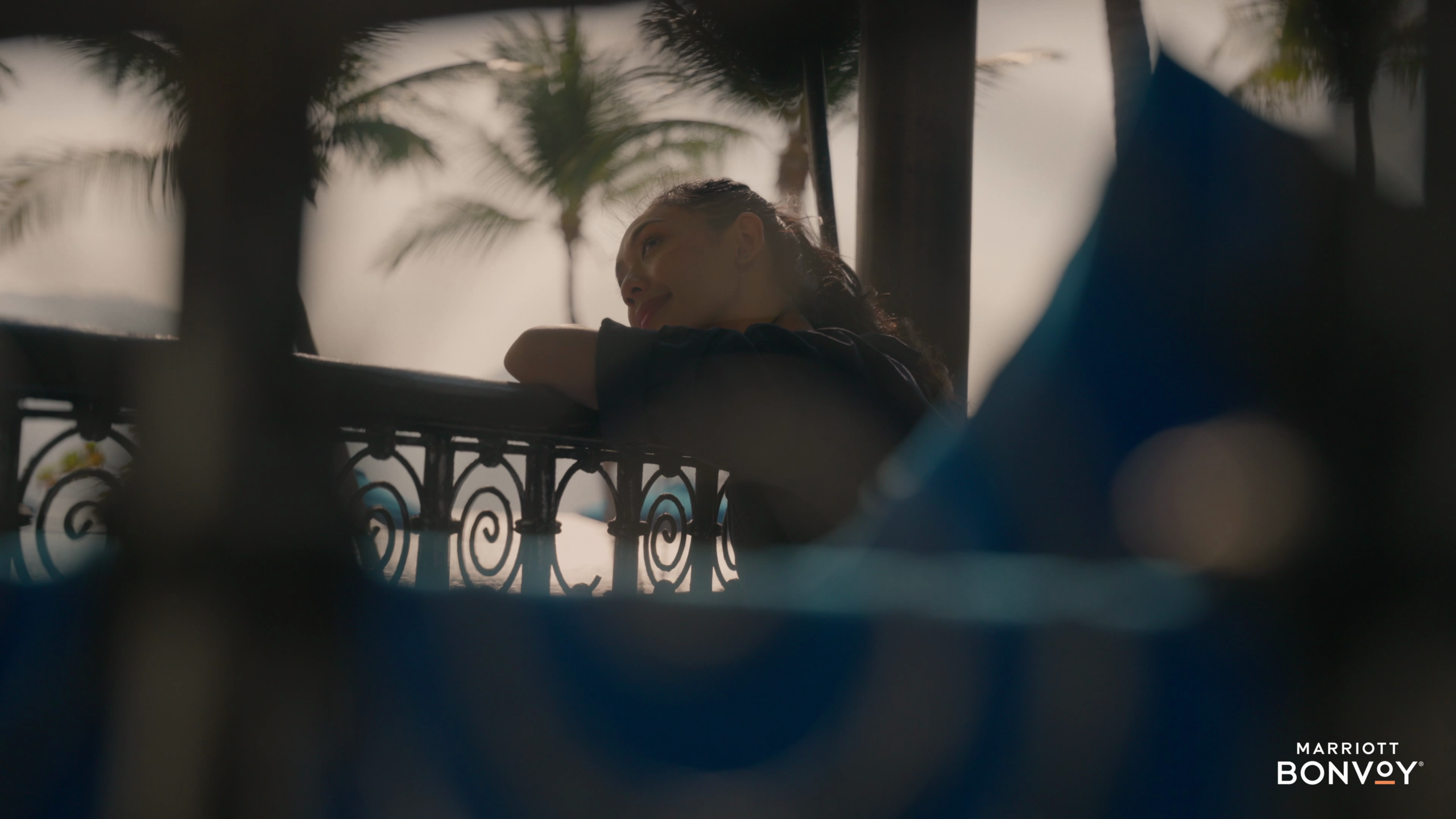
Recently, we had the opportunity to put this philosophy into practice while producing The Malaysia Edit for Marriott Bonvoy as part of the Visit Malaysia 2026 campaign. The project challenged us to tell the story of Malaysia through three carefully curated destination films spanning Kuala Lumpur, Penang and Langkawi. Although every final frame was captured on location, AI quietly transformed much of what happened before the camera started rolling.
This article isn’t about creating videos with AI.
It’s about creating better productions with AI.

Good Production Starts with Better Questions
One misconception surrounding AI is that it replaces thinking.
In our experience, the opposite is true.
The better the questions, the better the outcome.
Before any scripting began, we spent time understanding the identity of each destination. Kuala Lumpur is energetic and cosmopolitan. Penang is layered with heritage and culture. Langkawi offers space to slow down and reconnect with nature. Those differences became the emotional foundation of the campaign.
Research combined traditional methods with AI-assisted exploration using ChatGPT and Gemini. Rather than searching only for popular attractions, we explored local culture, lesser-known experiences, travel behaviour and the role Marriott Bonvoy could play throughout the journey. Every insight was cross-checked against the client’s brief before moving into concept development.
Only then did AI become part of the writing process.
That distinction matters.
AI wasn’t responsible for the idea.
It helped us organise information, challenge assumptions and refine a direction that had already been carefully established.
The technology accelerated the thinking. It didn’t replace it.

Making the Invisible Visible
One of the most underestimated challenges in creative production isn’t execution.
It’s communication.
Creative ideas often exist only in someone’s imagination. A creative director describes a mood. A client pictures something slightly different. The stylist interprets the brief another way. Everyone agrees, yet everyone walks away visualising something unique.
AI helped bridge that gap.
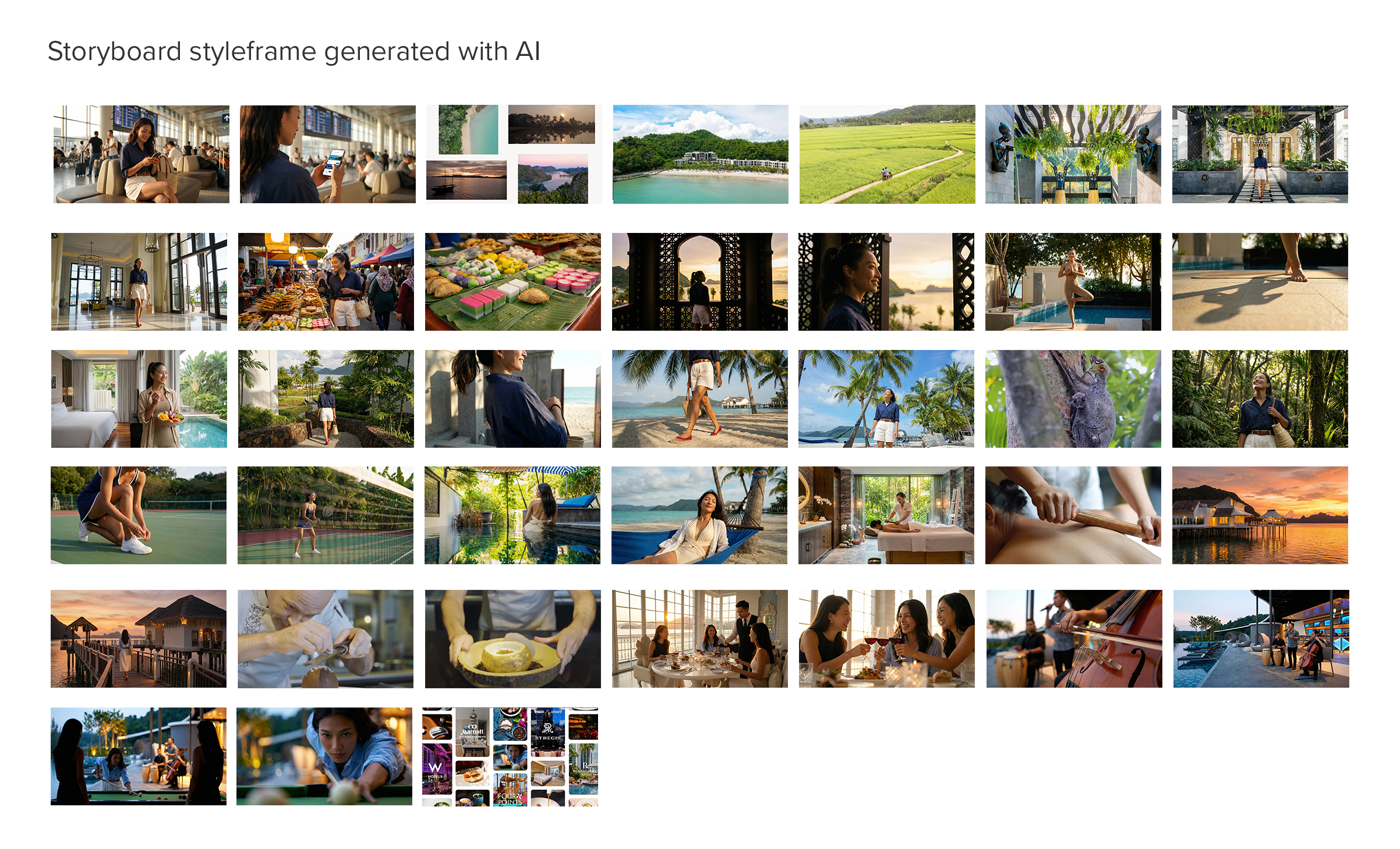
Instead of describing wardrobe, we created wardrobe explorations around a consistent lead character. Different looks could be evaluated in minutes, allowing discussions to move beyond subjective descriptions and towards tangible creative decisions.
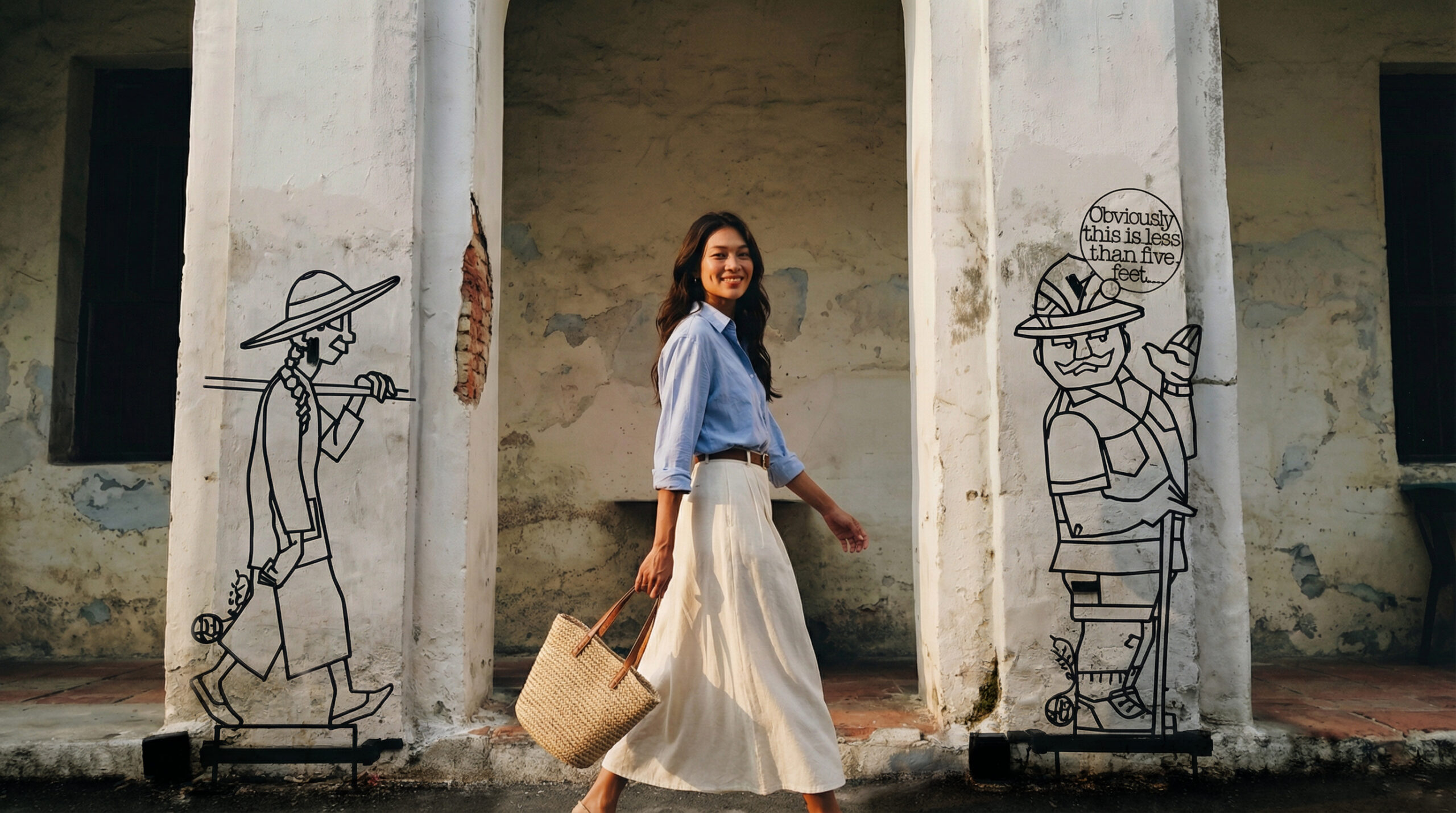
The same approach extended to visual direction. By combining photographs of the actual Marriott properties with AI-generated style frames, we could present scenes that closely reflected the intended composition, mood and atmosphere of the final films.
The conversation shifted from “Can you imagine what this might look like?” to “Does this feel right?”
It’s a subtle difference, but one that dramatically improved alignment across the project.
In many ways, AI didn’t just generate visuals.
It created a shared language for creative discussions.


Where Technology Steps Aside
One of the biggest lessons from this project is that AI doesn’t need to be in your face.
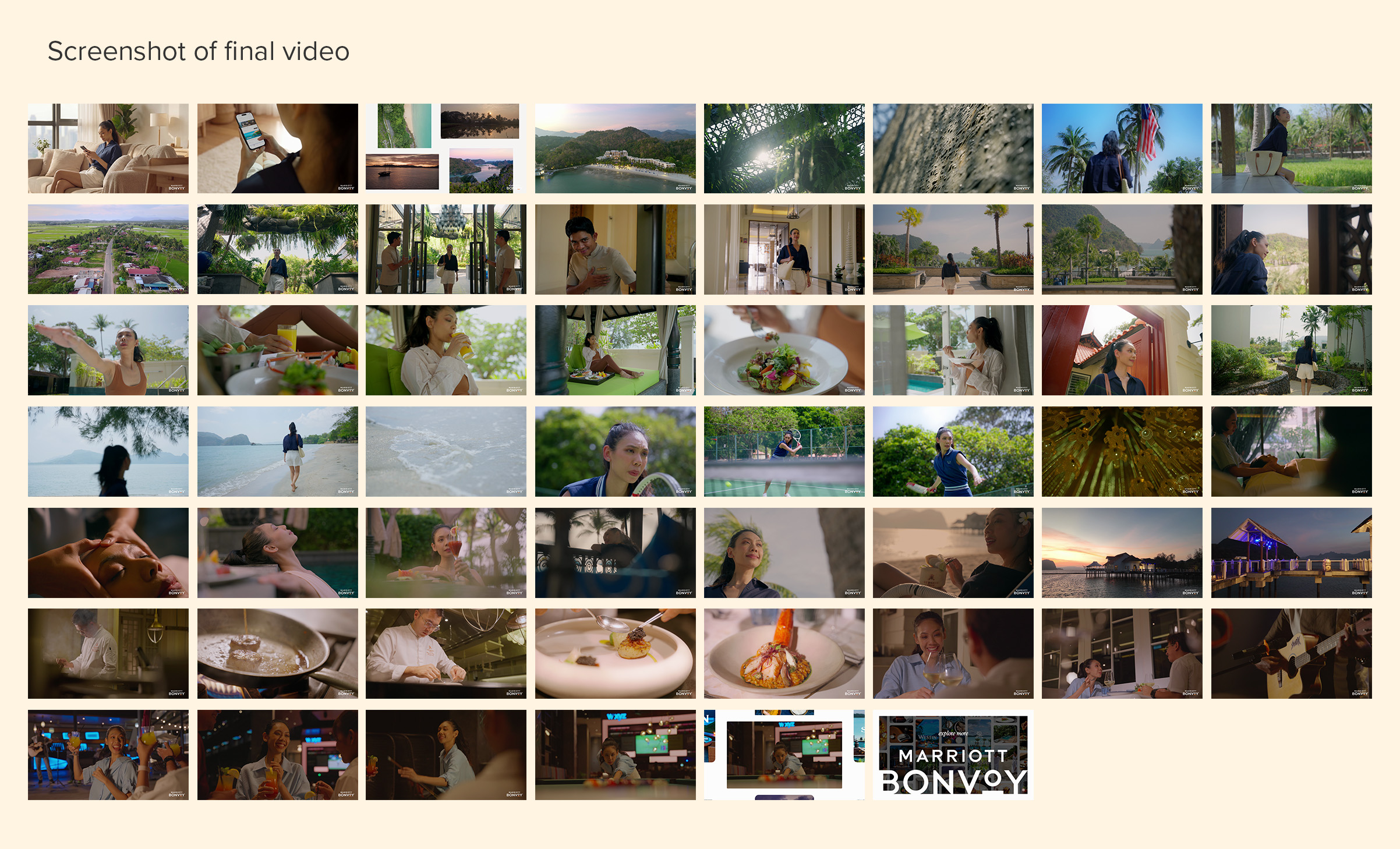
None of the final visuals relied on AI generation because that wasn’t the objective. For a destination campaign centred around real places and genuine experiences, filming on location remained essential.
More importantly, production is where people create something technology still struggles to replicate.
A performer or talent naturally discovers a more authentic movement.
A client points out an unexpected location nearby.
The cinematographer notices how light transforms a space at a particular time of day.
Someone suggests trying a completely different angle.
Those moments rarely appear in a storyboard because they emerge through collaboration rather than planning. They’re the result of talented people responding to one another and to the environment around them.
AI helped us arrive on set with greater clarity.
It didn’t replace the collaborative human magic that happened once we got there.
Watch the videos here.
Looking Towards the Future
It’s impossible to ignore how quickly AI is evolving.
Technically, campaigns like this may one day be produced almost entirely through AI. A creative team could scout real locations, capture reference material, license a talent’s likeness and voice, generate cinematic keyframes and assemble a complete film digitally.
The technology is moving in that direction.
But the more interesting question isn’t whether we can do it.
It’s whether we should.
For some brands, AI-first production may become the right solution. For others, authenticity will continue to matter because the product itself is rooted in real experiences, real places and real human interactions.
Technology doesn’t make that decision. Brands do!
Our responsibility as creative professionals is to understand both the possibilities and the trade-offs, then choose the approach that best serves the story.
Human-Led AI
Working on The Malaysia Edit reinforced a belief we’ve held for some time.
AI creates the most value when it quietly strengthens the creative process rather than becoming the centre of attention.
It helps teams research more effectively, visualise ideas earlier, communicate more clearly and make better decisions before production begins. In doing so, it reduces uncertainty across the entire project, allowing more time and energy to be spent on the things that genuinely require human creativity.
That’s the role we believe AI should play.
Not replacing directors.
Not replacing cinematographers.
Not replacing writers, stylists or producers.
But giving every creative discipline better tools to explore further than they could before.
The creative industry has always evolved alongside technology. Digital cameras changed photography. CGI transformed visual effects. Non-linear editing redefined post-production. AI is simply the next chapter.
The people who thrive won’t necessarily be those who know every AI tool.
They’ll be the ones who know how to combine technology with experience, judgement and taste.
Because in the end, the technology isn’t the differentiator.
The decisions behind it are.
Looking Ahead
Could this campaign have been created entirely with AI?
Technically, we’re moving closer to that reality.
A director and cinematographer could scout locations and capture reference material. A talent could license their likeness and record their voice. Photorealistic keyframes could be generated, animated and assembled into a finished campaign.
The technology is evolving rapidly, and these possibilities are becoming increasingly realistic.
But whether we can do something is very different from whether we should.
The answer isn’t determined by technology.
It’s determined by the brand.
Luxury hospitality, tourism and lifestyle brands often rely on authenticity, real experiences and genuine human connection. For those brands, filming on location isn’t simply about capturing beautiful visuals. It’s about documenting moments that audiences can believe in.
Other brands may prioritise speed, scalability or experimentation, and AI-generated production may become the right choice.
Neither approach is inherently better.
Technology simply expands the creative options available to us.
The responsibility lies in choosing the one that’s right for the story.
Human-Led AI
This project reinforced something we’ve believed for a long time.
AI doesn’t replace creativity.
It removes friction so creativity has more room to thrive.
At The Gradient Agency, we don’t use AI because it’s the latest trend, nor do we see it as a shortcut. We see it as a creative tool that helps us research more deeply, visualise ideas more clearly, communicate with greater precision and make better decisions before production begins.
The technology will continue to evolve, just as digital cameras, CGI and non-linear editing transformed filmmaking in previous decades.
What won’t change is the need for curiosity, creative judgement, taste and collaboration.
Those qualities have always belonged to people.
AI simply gives them a better environment in which to do their best work.